
Right Aic Pattern
Right Aic Pattern - When your pelvis orients to the right, your torso, from about t8 up, rotates back to the left in order to keep your line of sight straight ahead. Web this is called the right oblique tilt. Autonomic dysfunction also could be seen often. Web the r bc (right brachial chain) pattern is the most common upper body asymmetry pattern according to the postural restoration institute. Web many people think that they are a right aic pattern because it seems like the right side of their pelvis is rotated forward. Eventually, if you keep doing front foot elevated split squats on both sides while holding a dumbbell on the opposite arm, you would eventually fix left aic. Web lumbopelvic‐femoral conditions are common and may be associated with asymmetrical musculoskeletal and respiratory impairments and postural mal‐alignment called a left anterior interior chain (aic) pattern. Scapula moved away from the spine. The right tmcc pattern is the portion of the postural restoration institute (pri) left aic and right bc pattern from the neck to the cranium. If the left aic pattern can't relax, then the left diaphragm is usually going to be stuck in a contracted position which elevates and rotates the lower ribs. One of the more difficult concepts to understand is the difference between the left aic and right aic patterns. Create more external rotation of the right scapula; Web lumbopelvic‐femoral conditions are common and may be associated with asymmetrical musculoskeletal and respiratory impairments and postural mal‐alignment called a left anterior interior chain (aic) pattern. Web at the upper body, we have a right side that has: Web many people think they are a right aic patter. The right tmcc pattern is the portion of the postural restoration institute (pri) left aic and right bc pattern from the neck to the cranium. Restore external rotation, abduction, and flexion via muscles that help accomplish that: Glute max (external rotation + flexion) obturator internus (external rotation) Web the left aic pattern includes the left diaphragm, which when contracted works more as a postural muscle than a breathing muscle. Either that's what they perceive. Anyway, right cranial torsion occurs for a lot of different reasons i cannot explains in an article. Create external rotation upon transition. Web the left aic pattern includes the left diaphragm, which when contracted works more as a postural muscle than a breathing muscle. Learn my methodology with the biomechanics course: Link to mentioned article with more. Learn my methodology with the biomechanics course: When your pelvis orients to the right, your torso, from about t8 up, rotates back to the left in order to keep your line of sight straight ahead. One of the most ignored and under appreciated area of the body is the rib cage. Improve left posterior ribcage expansion; Web a model of. Web right cranial torsion is a further compensation pattern from l aic, r tmcc, and left cranial sidebend. Web the r bc (right brachial chain) pattern is the most common upper body asymmetry pattern according to the postural restoration institute. When your pelvis orients to the right, your torso, from about t8 up, rotates back to the left in order. Web lumbopelvic‐femoral conditions are common and may be associated with asymmetrical musculoskeletal and respiratory impairments and postural mal‐alignment called a left anterior interior chain (aic) pattern. Create more internal rotation of the left scapula; Web at the upper body, we have a right side that has: Web right quad function in the left aic pattern. Web this is called the. One of the more difficult concepts to understand is the difference between the left aic and right aic patterns. Web the left aic pattern is one in which our left anterior interior chain of muscles is constantly turned on. Anyway, right cranial torsion occurs for a lot of different reasons i cannot explains in an article. Create more external rotation. Web this is called the right oblique tilt. Create more external rotation of the right scapula; Web a model of innate, human asymmetry derived from the theoretical framework of the postural restoration institute® (pri) explicitly describes the physiological, biomechanical, and respiratory components of human asymmetry. Web lumbopelvic‐femoral conditions are common and may be associated with asymmetrical musculoskeletal and respiratory impairments. Link to mentioned article with more. Web optimal exercise selection for left aic and right bc patterns. Glute max (external rotation + flexion) obturator internus (external rotation) Autonomic dysfunction also could be seen often. Web many people think they are a right aic patter. Glute max (external rotation + flexion) obturator internus (external rotation) Link to mentioned article with more. The muscles associated with this are primarily going to be: Restore external rotation, abduction, and flexion via muscles that help accomplish that: Learn my methodology with the biomechanics course: It usually could involve sensory integration issues such as vision, hearing, and/or occlusion. Create more internal rotation of the left scapula; Web many people think they are a right aic patter. The right tmcc pattern is the portion of the postural restoration institute (pri) left aic and right bc pattern from the neck to the cranium. Glute max (external rotation. Eventually, if you keep doing front foot elevated split squats on both sides while holding a dumbbell on the opposite arm, you would eventually fix left aic. Web the left aic pattern is one in which our left anterior interior chain of muscles is constantly turned on. Web the left aic pattern includes the left diaphragm, which when contracted works. Importantly, muscles are only active when the bra. Serratus anterior (for scapular external. Web right cranial torsion is a further compensation pattern from l aic, r tmcc, and left cranial sidebend. The muscles associated with this are primarily going to be: Resulting in a left anterior interior chain pattern (l aic) or posterior exterior chain pattern (pec), respectfully. Autonomic dysfunction also could be seen often. Web a model of innate, human asymmetry derived from the theoretical framework of the postural restoration institute® (pri) explicitly describes the physiological, biomechanical, and respiratory components of human asymmetry. Anyway, right cranial torsion occurs for a lot of different reasons i cannot explains in an article. Web the goal of the right side in restoring a left aic pattern: One of the more difficult concepts to understand is the difference between the left aic and right aic patterns. Scapula moved away from the spine. If you'd rather watch than read, see the video below: Glute max (external rotation + flexion) obturator internus (external rotation) If the left aic pattern can't relax, then the left diaphragm is usually going to be stuck in a contracted position which elevates and rotates the lower ribs. Web the left aic pattern includes the left diaphragm, which when contracted works more as a postural muscle than a breathing muscle. Create more external rotation of the right scapula;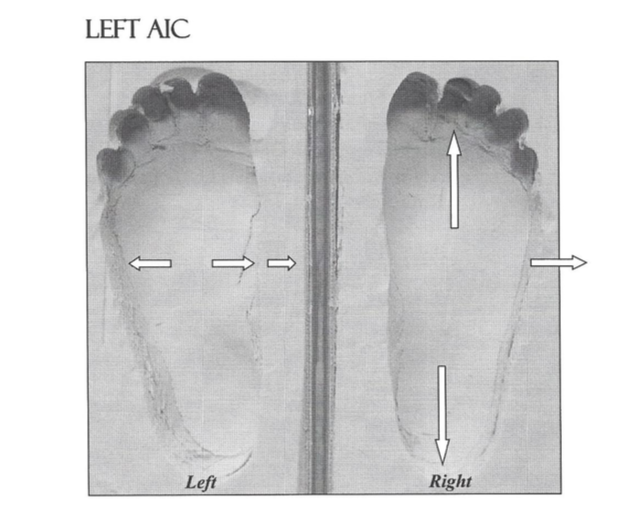
TMJ and Hamstring Laxity The Connection FlexibilityRx Performance

Left Stance in Right AF IR Position from the Right AIC Pattern YouTube
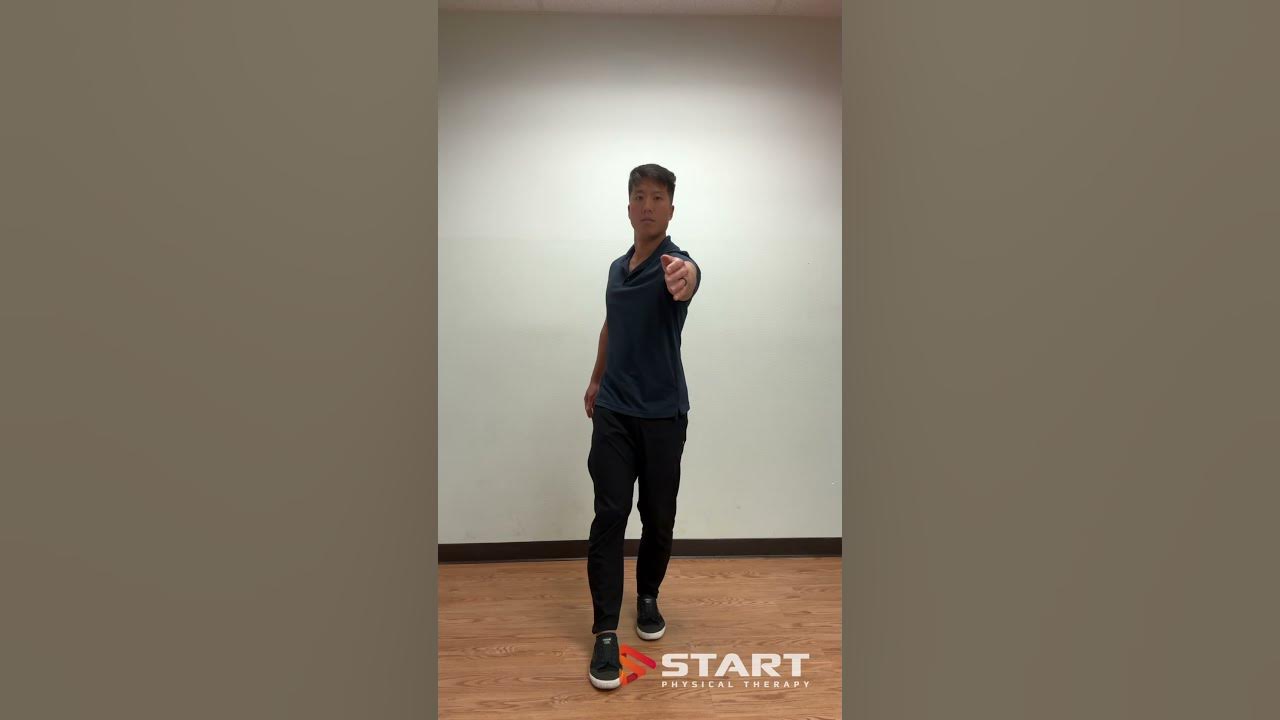
PRI left stance in right AF IR position from the right AIC pattern

What are the Left and Right AIC Patterns? (think Brain and Senses first

How to fix a Left AIC Right BC Pattern YouTube

The 9090 Hip Lift and the PEC Client PRI Trainer

Left Stance in Right AF IR Position from the Right AIC Pattern YouTube

The Right BC Pattern in Postural Restoration PRI Trainer

Optimal Exercise Selection for Left AIC and Right BC Patterns YouTube

Left and Right AIC Pattern Confusion When You're Not Sure What Leg You
When Your Pelvis Orients To The Right, Your Torso, From About T8 Up, Rotates Back To The Left In Order To Keep Your Line Of Sight Straight Ahead.
Improve Left Posterior Ribcage Expansion;
But What Is It And What Does It Mean?
Web At The Upper Body, We Have A Right Side That Has:
Related Post: