
45 Degree Herringbone Paving Pattern
45 Degree Herringbone Paving Pattern - I had a few different ones that were my guides, if you look close you can see them in the picture below! A herringbone pattern can be laid in either a 45 degree or 90 degree angle. The most popular such patterns are 45° or 90° herringbone patterns. Web achieve patio perfection: Another large difference with using this pattern is that you will have more cuts on the edges since they will be set at an angle closest to the house or building. It can be laid in multiples from double onwards removing the busyness of the traditional herringbone. Web all block paving for areas carrying vehicular traffic, such as driveways, car parks or access roads, should be laid in a fully interlocked pattern. Web hi, we're having our deck installed and i have to select the pattern for the travertine pavers. Any pros or cons to either that anyone can advise me on? Web the herringbone pattern is named after its likeness to the bones of a fish, explains infinite paving. Web hi, we're having our deck installed and i have to select the pattern for the travertine pavers. The herringbone pattern provides the best resistance to horizontal forces from accelerating, braking and turning of wheels. This pattern is most appropriate for heavy vehicular paving. Web installed in either a 45 or 90 degree angle, the herringbone paver pattern is widely used with traditional 4x8 brick paver sizes. Any rectangular paver can be set in a crosshatch. Any pros or cons to either that anyone can advise me on? The most popular such patterns are 45° or 90° herringbone patterns. Web this line is your guide for the entire pattern, especially if you aren’t working off of the edge of some sort of structure. Web setting out 45° herringbone. It can be laid in multiples from double onwards removing the busyness of the traditional herringbone. For one size paver patterns that are available, a herringbone pattern provides more possibilities than the above patterns. This pattern is identical to the 90° herringbone pattern, except that it has been rotated through 45°. A common way to achieve this look is through vertical herringbone. Web achieve patio perfection: Herringbone pattern installation guide 🌟🔨 in this video, we'll guide. Web all block paving for areas carrying vehicular traffic, such as driveways, car parks or access roads, should be laid in a fully interlocked pattern. Web this line is your guide for the entire pattern, especially if you aren’t working off of the edge of some sort of structure. Any rectangular paver can be set in a crosshatch. It can. Web hi, we're having our deck installed and i have to select the pattern for the travertine pavers. A common way to achieve this look is through vertical herringbone. Web this line is your guide for the entire pattern, especially if you aren’t working off of the edge of some sort of structure. When installing the 45º pattern. Web achieve. A herringbone pattern can be laid in either a 45 degree or 90 degree angle. It can be laid in two different block paving patterns: A common way to achieve this look is through vertical herringbone. When installing the 45º pattern. Web this line is your guide for the entire pattern, especially if you aren’t working off of the edge. This pattern is known for its stability, durability, and visually appealing aesthetics. Then, set out nine bricks. Web all block paving for areas carrying vehicular traffic, such as driveways, car parks or access roads, should be laid in a fully interlocked pattern. This pattern is identical to the 90° herringbone pattern, except that it has been rotated through 45°. Web. When installing the 45º pattern. Web all block paving for areas carrying vehicular traffic, such as driveways, car parks or access roads, should be laid in a fully interlocked pattern. Web one popular choice for laying tiles is the herringbone pattern, known for its timeless appeal. Then, set out nine bricks. Web hi, we're having our deck installed and i. With multiple ways to install these stunning driveway pavers, using a classic pattern. A common way to achieve this look is through vertical herringbone. Laid at a 45 degree additionally adds to the beauty of this paver pattern. Web setting out 45° herringbone. Web the herringbone pattern has a mesmerizing look but could not be simpler. A herringbone pattern can be laid in either a 45 degree or 90 degree angle. Any rectangular paver can be set in a crosshatch. The herringbone pattern provides the best resistance to horizontal forces from accelerating, braking and turning of wheels. This pattern is most appropriate for heavy vehicular paving. This pattern is identical to the 90° herringbone pattern, except. Web this line is your guide for the entire pattern, especially if you aren’t working off of the edge of some sort of structure. Web the herringbone pattern is named after its likeness to the bones of a fish, explains infinite paving. Web achieve patio perfection: Web all block paving for areas carrying vehicular traffic, such as driveways, car parks. Any rectangular paver can be set in a crosshatch. It works with both 50mm and 60mm pavers and needs just a single baseline, although it can also be used when working from a right angled (90. For one size paver patterns that are available, a herringbone pattern provides more possibilities than the above patterns. Web there are two types of. Laid at a 45 degree additionally adds to the beauty of this paver pattern. I had a few different ones that were my guides, if you look close you can see them in the picture below! It can be laid in two different block paving patterns: The herringbone pattern provides the best resistance to horizontal forces from accelerating, braking and turning of wheels. The most popular such patterns are 45° or 90° herringbone patterns. A common way to achieve this look is through vertical herringbone. Web the herringbone pattern has a mesmerizing look but could not be simpler. Web setting out 45° herringbone. Web one popular choice for laying tiles is the herringbone pattern, known for its timeless appeal. Web all block paving for areas carrying vehicular traffic, such as driveways, car parks or access roads, should be laid in a fully interlocked pattern. This pattern is known for its stability, durability, and visually appealing aesthetics. You can see the difference by comparing the next photo. Then, set out nine bricks. Web there are two types of herringbone patterns, 45 degree and 90 degree. Any rectangular paver can be set in a crosshatch. Any pros or cons to either that anyone can advise me on?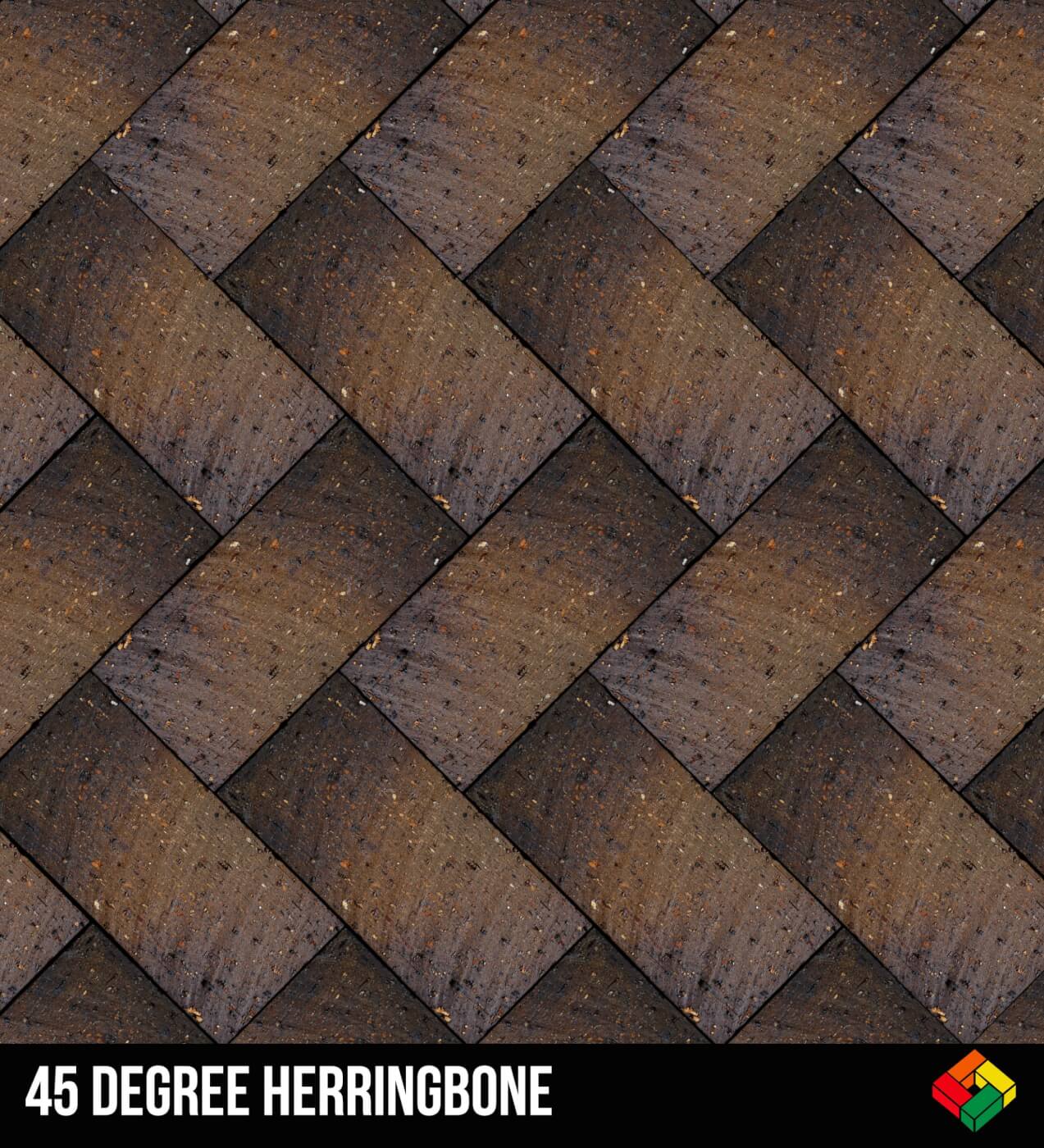
Paver Patterns Littlehampton Bricks and Pavers

Pattern 45 degree Herringbone, Field Piedmont, Border Charcoal

Paver Patterns Littlehampton Bricks and Pavers
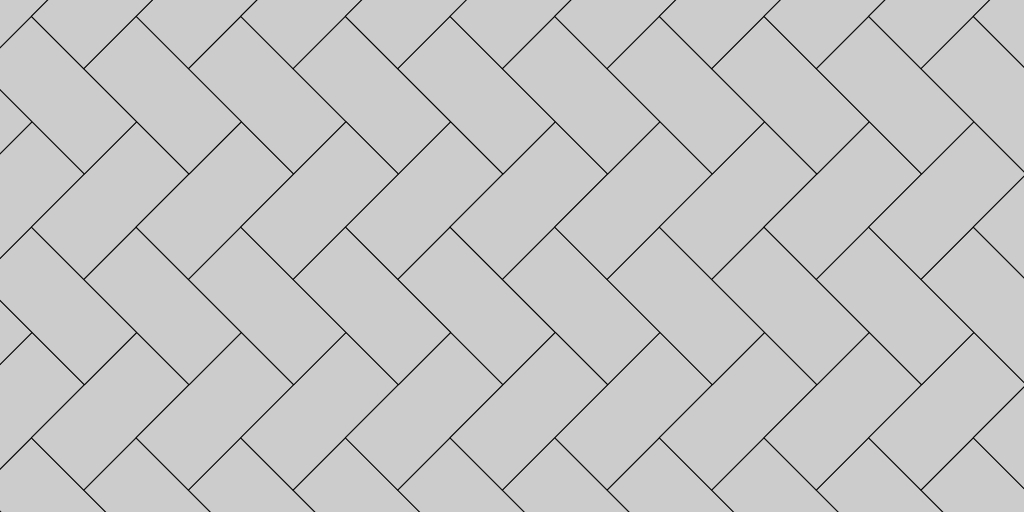
Herringbone 45 Degree Granite Diamond Blades
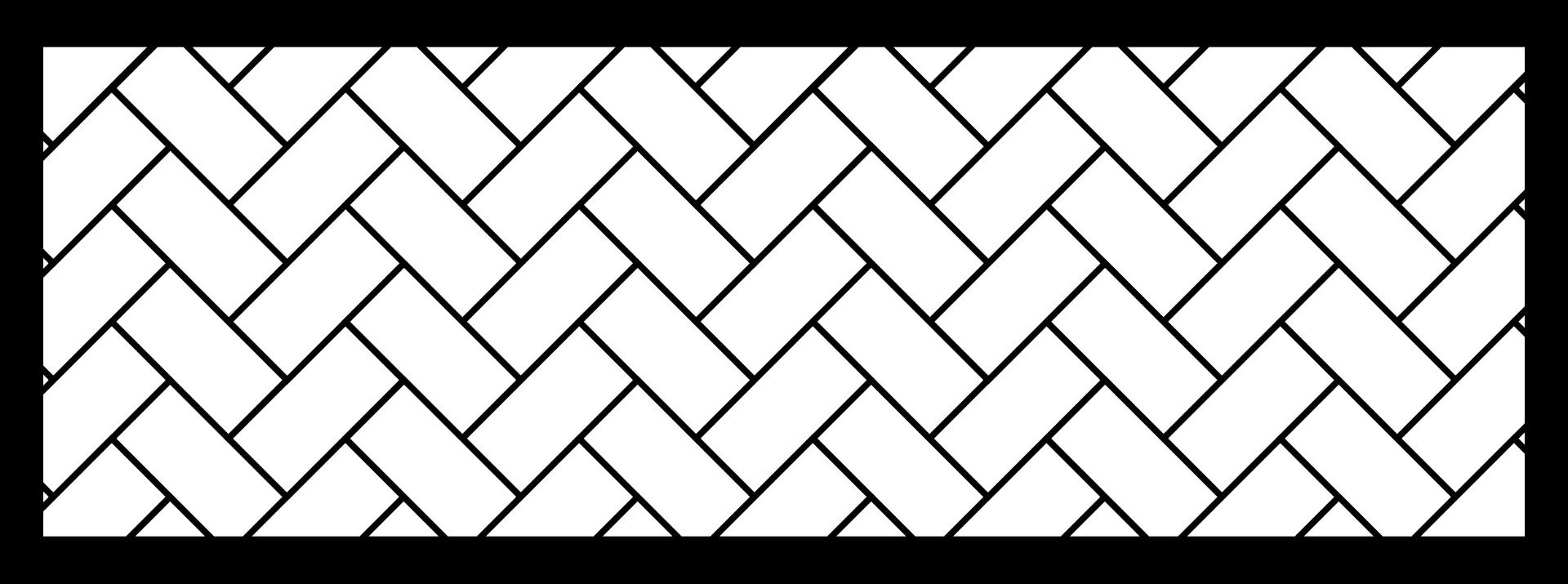
A Guide to Block Paving Patterns Simply Paving

Paver walkway old chicago 45 Herringbone YouTube

premierdriveways Paving, Civil Engineering and Hard Landscaping in
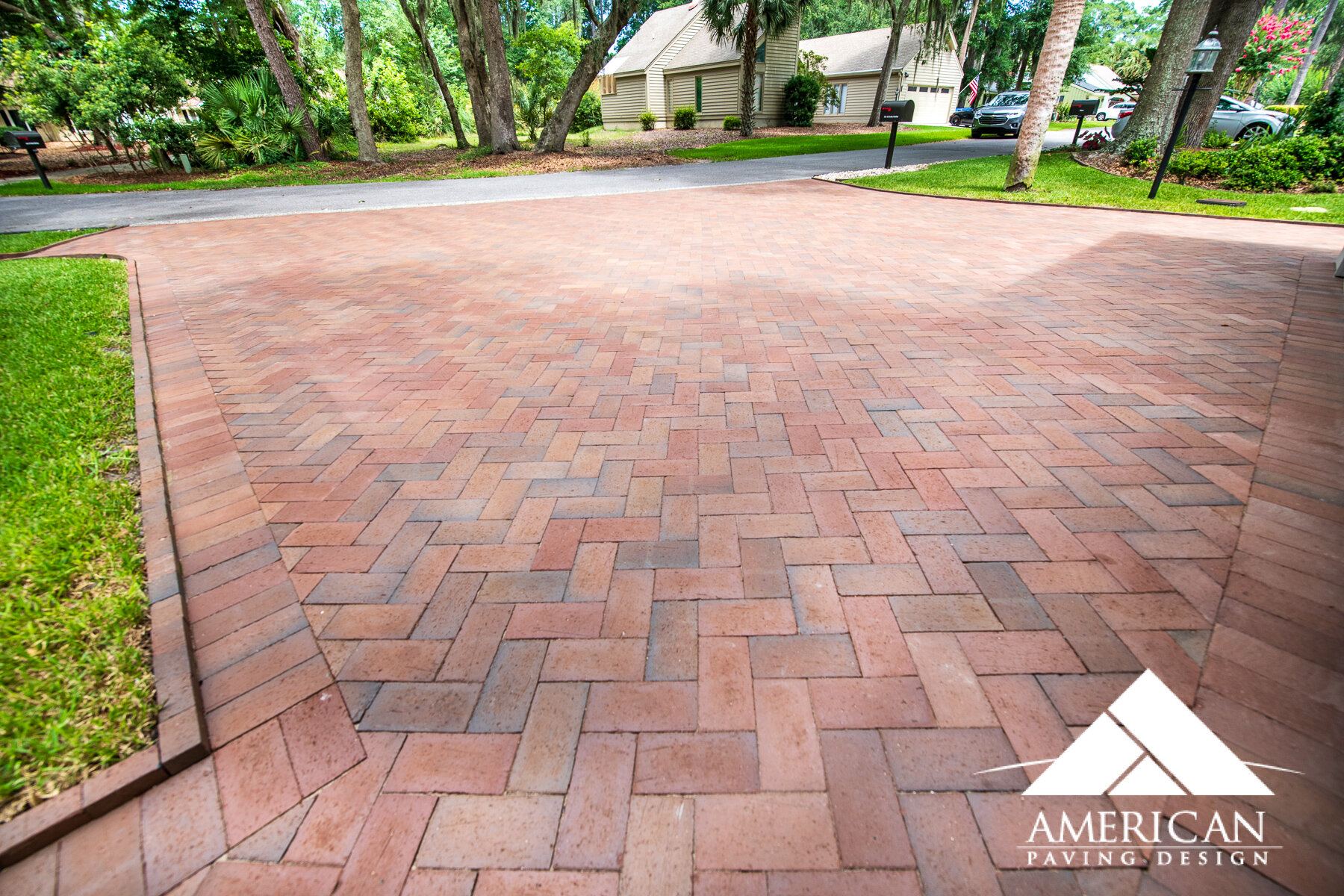
Herringbone The classic paver pattern — American Paving Design

45 Degree Herringbone Paver Pattern / A herringbone pattern can be laid

45 Degree Herringbone Paving Pattern Pattern.rjuuc.edu.np
Web Hi, We're Having Our Deck Installed And I Have To Select The Pattern For The Travertine Pavers.
Currently, It’s Making A Comeback In Design Trends.
Another Large Difference With Using This Pattern Is That You Will Have More Cuts On The Edges Since They Will Be Set At An Angle Closest To The House Or Building.
The 45 Degree Is The Most Difficult And Most Expensive To Lay Since It Has The Most Cuts And Wasted Material.
Related Post: